Mealworms: A Protein-Packed Treat for Backyard Birds
Almost 80% of the world’s bird families include insects as part of their natural diet, making mealworms one of the most effective and enjoyable ways to attract a wider variety of birds to your backyard.
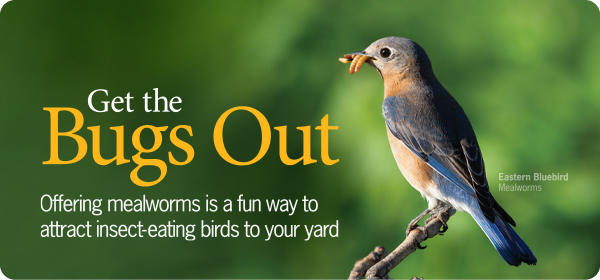
Mealworms mimic the insect larvae birds find in nature, offering a highly nutritious source of protein and fat that supports energy, growth, and nesting activity. Whether you are hoping to attract bluebirds, wrens, chickadees, or woodpeckers, mealworms can turn your feeding area into a lively gathering place for insect-loving birds.
Why Offer Mealworms to Birds?
Mealworms are a natural food source for many species and are especially beneficial during spring and summer, when birds need extra nutrition for breeding, nesting, and feeding their young.
Benefits of offering mealworms include:
- High protein and fat content for energy and health
- Supports nesting birds and growing fledglings
- Attracts species that may not visit traditional seed feeder
- Provides a natural, wildlife-friendly feeding option
Watching birds swoop in for mealworms is also one of the most entertaining backyard bird feeding experiences.
Birds That Love Mealworms
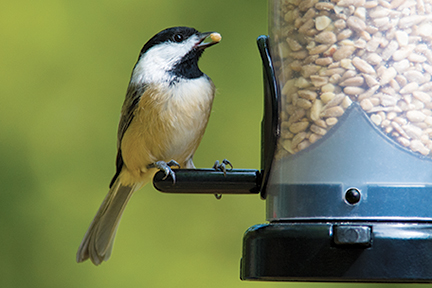
Many insect-eating birds eagerly seek out mealworms, including: Bluebirds. Chickadees, Wrens, Nuthatches, Robins, Catbirds, Towhees, Thrashers and Woodpeckers
Even birds that rarely visit seed feeders may become regular guests once mealworms are offered.
What Are Mealworms?
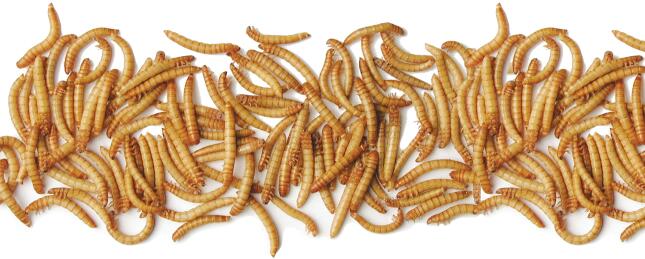
Mealworms are the larvae of the beetle Tenebrio molitor. In their larval stage, they are soft-bodied, nutrient-rich, and ideal for feeding birds.
The larval stage typically lasts about 10 weeks. To keep live mealworms dormant and fresh:
Store them refrigerated at 40–50°F
Avoid freezing temperatures, which will kill them
Properly stored mealworms can remain viable for several weeks
How to Feed Mealworms
Birds quickly learn feeding routines, so consistency is key.
For best results:
- Offer mealworms at the same time each day
- Use a specialized mealworm feeder or shallow tray
- Make sure birds can easily reach them
- Choose feeders designed to prevent worms from escaping
- Place feeders in visible, sheltered areas near shrubs or trees to help birds feel secure while feeding.
Expert Help for Getting Started
Not sure how to introduce mealworms into your backyard feeding routine? Visit our store and speak with one of our Certified Bird Feeding Specialists. We can help you choose the right feeder, determine the best placement, and recommend the ideal amount of mealworms to attract the birds you want to see most.
Whether you are feeding bluebirds for the first time or expanding your feeding station to attract more insect-loving species, we’re here to help you create a successful and rewarding bird-feeding experience.
A Great Way to Attract More Variety
If you want to attract birds beyond the usual seed-feeding visitors, mealworms are an excellent addition to your feeding station. Their natural appeal makes them irresistible to many insect-loving species, bringing more diversity, activity, and excitement to your backyard bird habitat.
Start offering mealworms and discover just how many new feathered visitors may arrive!